
What does ‘good’ reporting look like in 2025?
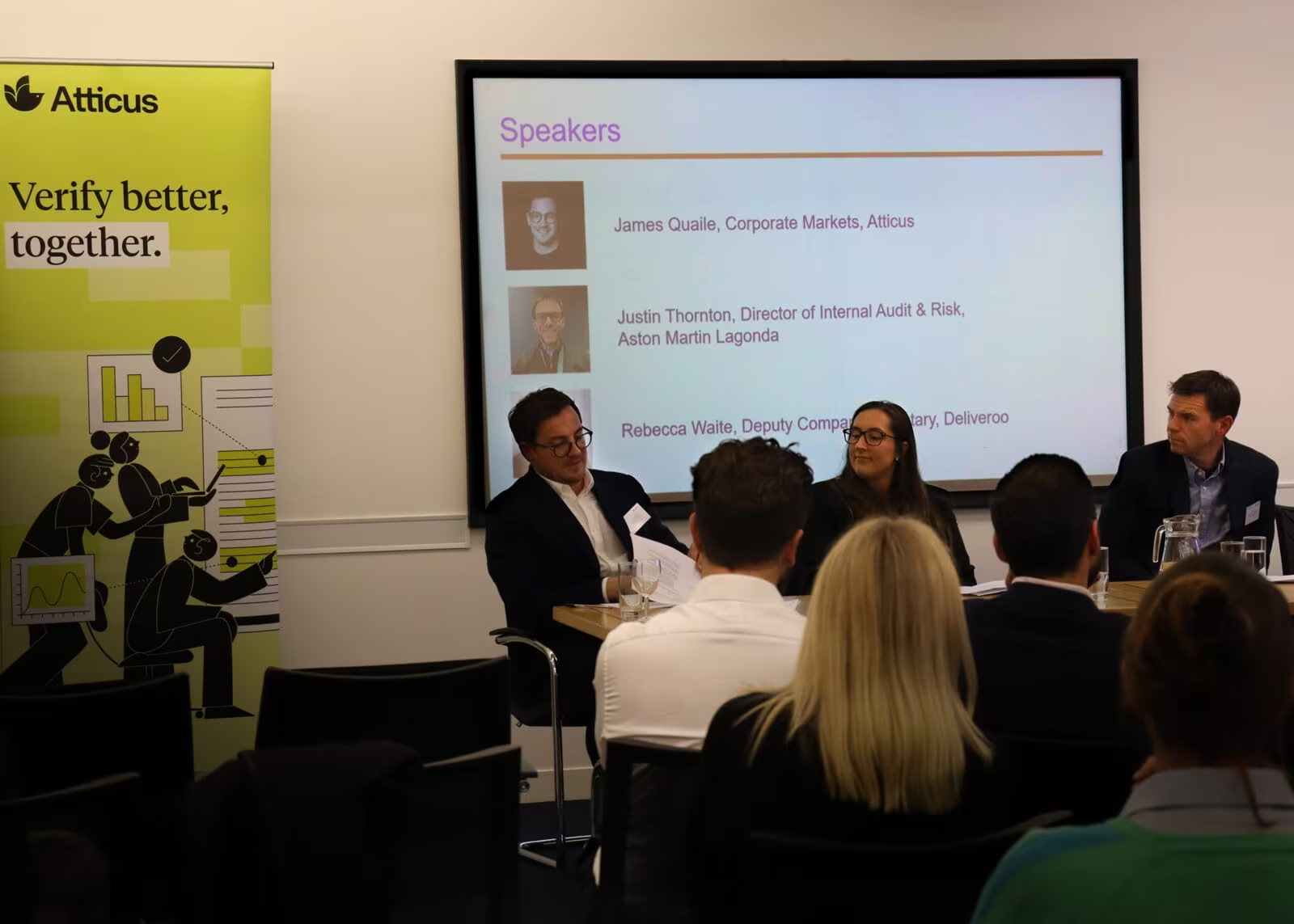
That was the focus of our first Conversations with Leaders session.
Moderated by Atticus’ own Stazi Pejacsevich, the discussion brought together:
- Megan Barnes, Head of Secretariat at Ocado Group plc (FTSE 250)
- Nick Ivory-Byrne, Assistant Company Secretary at Haleon plc (FTSE 100)
With experience in complex reporting programmes in fast-moving PLCs, both know the pressure of managing stakeholders, embedding governance, and delivering reports that withstand scrutiny.
Here are five takeaways from the discussion.
1. Stakeholder engagement comes first
For Megan, the number one issue is simple: getting people to engage.
“Stakeholders don’t always stick to timetables and inevitably business events can impact timetables, and that can throw the whole process off. At Ocado, our teams are lean and everyone has competing priorities. The annual report isn’t always top of the list — but if we don’t manage deadlines tightly, the whole thing starts to unravel.”
Nick has faced the same challenge at Haleon, especially during busy cycles:
“Reporting may not be seen as the most exciting workstream, but if we get it wrong, the risk is enormous. We play an important role in elevating the importance and bringing leadership on board early, so we avoid last-minute fire drills.”
Lesson: Set clear timetables, secure senior buy-in, and recognise that different stakeholders need different approaches to stay engaged.
How Atticus helps: Atticus makes deadlines visible and progress transparent, helping teams stick to the plan and keep stakeholders accountable.
2. Governance keeps reporting on track
Both speakers stressed that good reporting can live and die through its governance.
Megan put it plainly:
“Good governance is what ensures the annual report is compliant and accurate. You can’t leave the review to the end. Execs need to see drafts early, or you risk last-minute changes and potentially delayed publication.”
Nick agreed, highlighting the board’s role:
“The board is the ultimate approver, and they need time to engage properly. You can’t expect approval on 200+ pages 24 hours before print. Building in those governance checkpoints is essential.”
Lesson: Reporting is governance in action. Build in the reviews, engagements, and approvals early enough to avoid panic and protect quality.
How Atticus helps: Atticus embeds approval and sign-off steps into the workflow at the right stage, preventing bottlenecks, avoiding panic, and protecting quality.
3. Collaboration across teams is essential
Good reporting doesn’t happen in silos. Both speakers stressed the need to bring in functions beyond the secretariat.
Nick put it clearly:
“A key point we’re discussing right now is how to make sure all external reporting is joined up and we’re all singing from the same hymn sheet. With so many different writers and contributors across the organisation, the challenge is getting everyone together, banging the same drum, and pushing out a consistent message.”
Megan agreed, pointing to the risk of duplication between different reporting streams:
“IR are naturally focused on year-end results, and you need to ensure this works alongside the annual report. Unless you manage that actively, you end up duplicating work between the annual report and the RNS. The only way through is collaborative tools, strong communication and clear governance structures to keep everyone aligned.”
Lesson: The best reporting is cross-functional. Success means aligning secretariat, investor relations, comms, finance, ESG, and executives around one story.
How Atticus helps: Atticus brings teams together in one workflow, making sure every contributor is aligned around a single, consistent narrative.
4. Technology drives better reporting
Both Ocado and Haleon have embraced technology to deal with multi-stakeholder reporting.
At Ocado, Megan explained how Atticus has strengthened both visibility and control:
“Our CFO wanted confidence in the verification process. With Atticus, we can show exactly how disclosures are checked and confirmed, so there’s no doubt by the time the report is signed off. It also forces contributors to think carefully about what they’re including, which helps us avoid woolly or unsubstantiated claims.”
At Haleon, Nick described how Atticus underpinned a huge verification exercise around their Capital Markets Day:
“We ran a significant verification process, involving colleagues across jurisdictions and functions. We needed something straightforward; if it was too complex, it would be hard to get engagement. Atticus gave us cross-team collaboration, tracking and discussion tools that kept everyone aligned.”
Lesson: Choose technology that stakeholders will actually use. Simplicity, visibility and collaboration are critical.
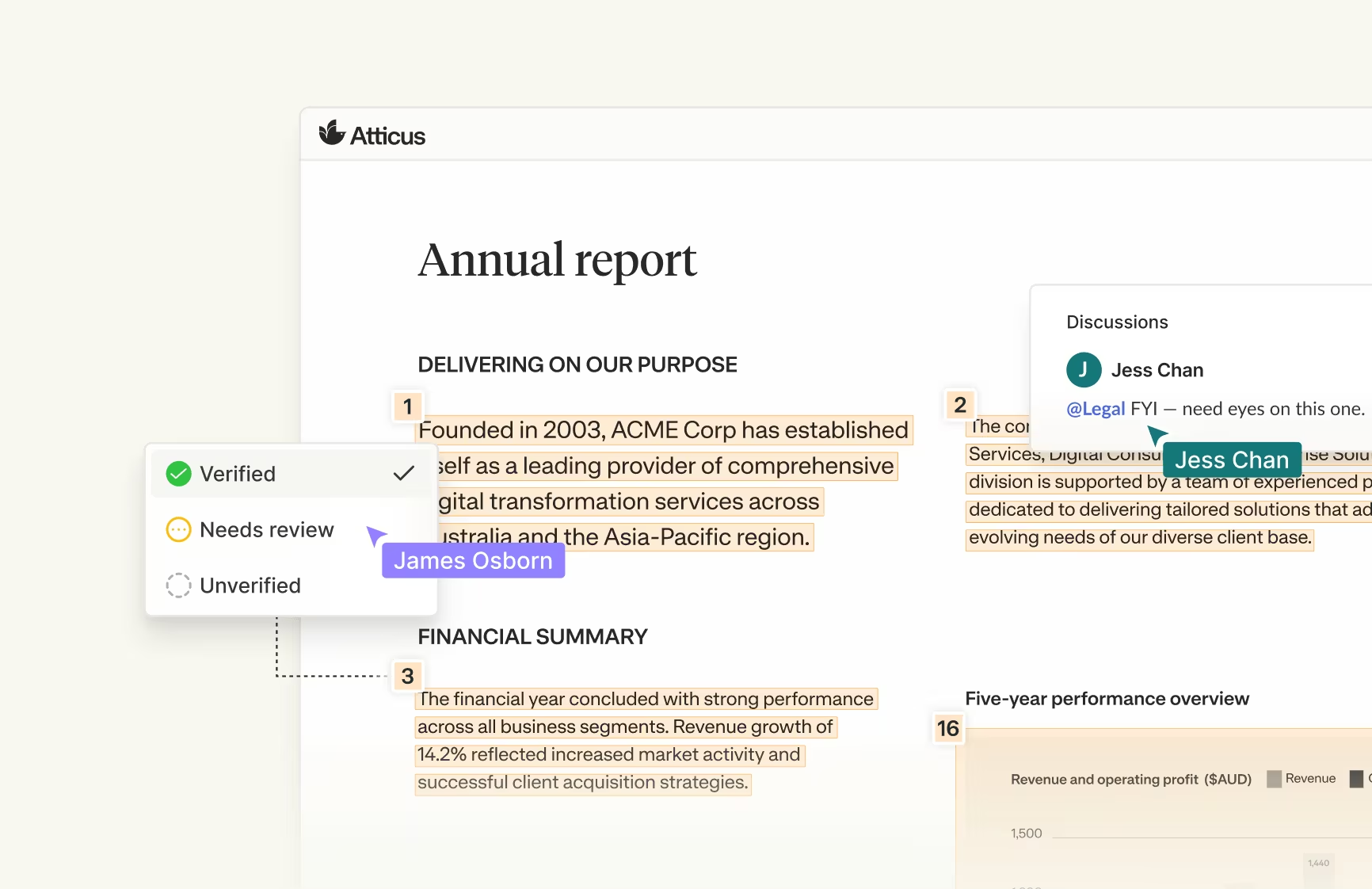
How Atticus helps: Atticus is intuitive and easy to adopt, giving teams simple tools to verify disclosures, track progress, and collaborate without friction.
5. The assurance burden is only going up
Both Megan and Nick see the assurance landscape as the next big shift.
Nick warned:
“The burden is only going to increase. Auditors are going to test more, not less. We need validated, consistent disclosures across every channel, such as annual reports, investor decks, regulatory filings. Tools like Atticus are going to be central to getting it right the first time.”
Megan agreed, adding that companies need to strike a balance:
“There’s always a risk of over-reporting to tick boxes. The challenge is balancing compliance with clarity. And technology can help reduce the burden while keeping us accurate. For Ocado, Atticus provides that structure.”
Lesson: Prepare now. Assurance will demand more discipline, more evidence, and more joined-up reporting. Technology is the key to staying ahead.
How Atticus helps: Atticus creates the audit trail and evidence base for assurance, and streamlines the process by involving auditors directly in the platform.
Key takeaways
So, what does good reporting look like in 2025?
The lessons were clear:
- Engage stakeholders early and often
- Embed governance at every stage
- Collaborate across teams to keep messaging consistent
- Use technology to simplify collaboration and verification
- Get ahead of the assurance burden
For companies facing similar challenges, the takeaway is simple: with the right structures, collaboration and technology, reporting can become a strength.
Atticus helps make that possible.
Get in touch
If you’d like to learn more about how Atticus can strengthen your reporting processes – from annual reports to Capital Markets Days – we’d love to talk.

.avif)