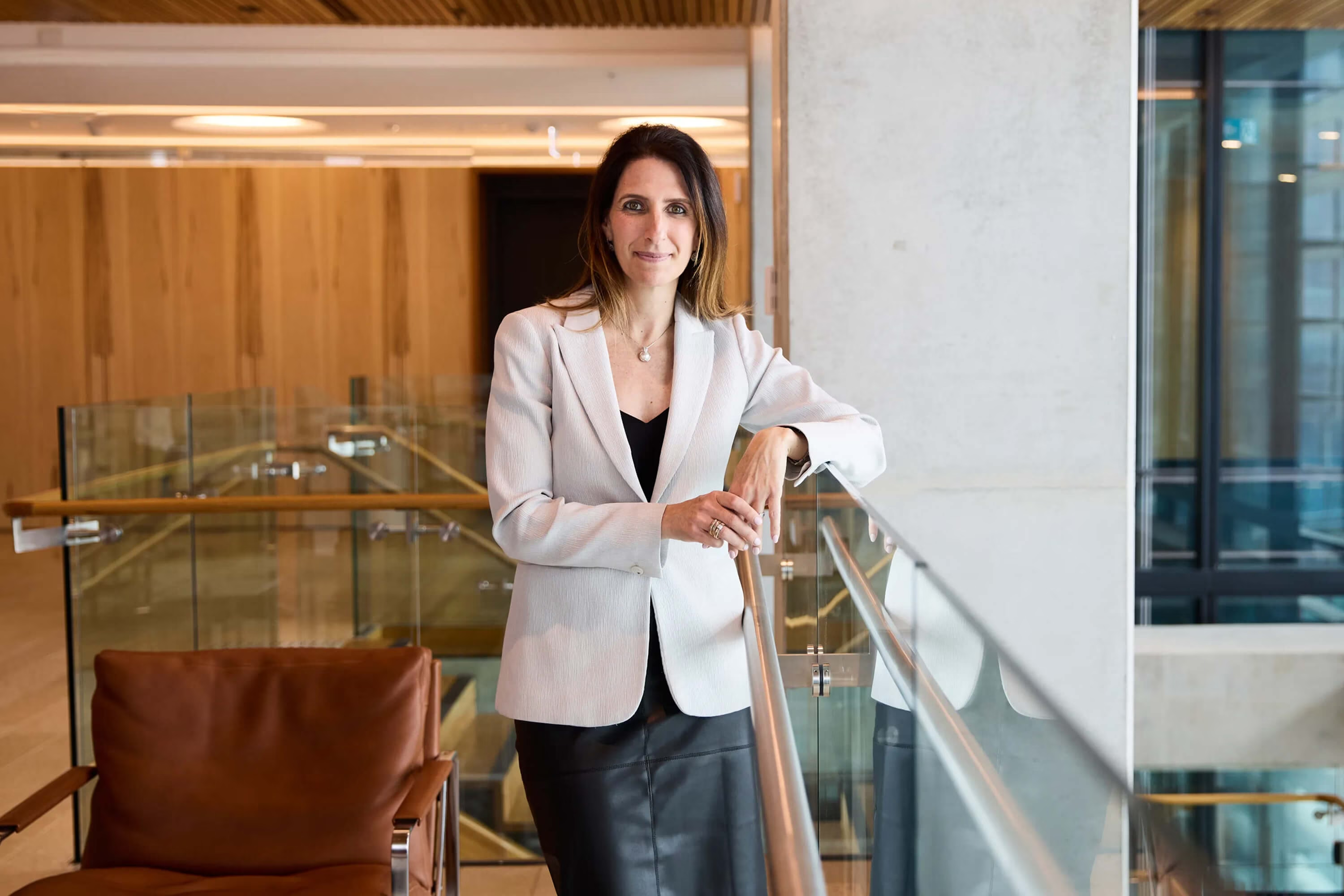

Esther Evening arrived at Mercury NZ at 17 to answer phones in the contact centre.
Now she is the driving force behind Mercury's climate statement – a document that must hold up under the scrutiny of boards, investors, and new regulations mandating climate-related disclosures.
New Zealand was among the first countries in the world to introduce those requirements, putting Esther at the centre of a significant shift in corporate reporting.
Not only that, but she’s often the youngest person in the room – in a sector where the decisions being made today will define the world her generation inherits.
We sat down with Esther to discuss what serious climate disclosure work actually involves, how she builds influence inside a large organisation, and her view on the recent wind-back of New Zealand's climate reporting legislation.

Your route into corporate life was anything but conventional, deciding against university and working your way up from the customer service shop floor. Talk us through what happened.
I applied for university but realised I wasn't passionate enough to commit to debt and three-plus years of studying. It was a bit of a shock to everyone that I didn't go. All my friends went. Even though I was 17 I wanted a grown-up job.
I ended up in a contact centre role at Mercury. It was challenging because you never knew what a caller was going to say when you answered the phone. Fifty-plus conversations every day, and no one was calling to tell you you're doing a good job. In that environment you learn resilience very quickly.
I set myself a time limit. I said I'm going to do this for a year, and if nothing comes of it, I'll go somewhere else. I didn't have a big career progression plan.
How did you move from the contact centre into strategy and sustainability?
A couple of things happened around the same time. I heard about the Young Energy Professionals Network (a national network for emerging energy professionals) early on. I was 18, probably the youngest energy professional at Mercury, so I figured it was my rite of passage to become a member. Soon after that I became co-chair, which opened loads of doors.
Internally I was moving through different parts of the business – customer risk, then about two or three years in process improvement – and because I was inquisitive, I kept finding ways to make things better. An executive suggested strategy was a logical way to combine both worlds. Soon after I became a Sustainability and Strategy Analyst, which got me into the world of disclosures.
Climate disclosures are prescriptive, but you get to peel back quite a few layers of an organisation.
That's quite a ride. What drew you to the disclosure work specifically?
The role really intrigued me. I'm constantly trying to improve things, make things better and go by the rule book. The strategy and sustainability function is a pretty logical place for someone with that mindset. You get to think about future goals and figure out what decisions are needed to get there. Climate disclosures are prescriptive, but you get to peel back quite a few layers of an organisation. You talk to different people about the risks and opportunities climate presents.
This wasn't an intentional pathway for me, it was more a case of what can we do better, what can we do right.

Maybe no one gets excited about climate disclosures on the surface. But the document itself – the act of putting your name to something that demands the highest standards of accuracy and defensibility – maybe that's where the interesting stuff is.
Yeah. You can hand on heart say that's what you believe. That's pretty black and white for the corporate world.
Our climate statement was assured by a Big Four firm, which is unheard of. That process was time consuming, but it meant we could genuinely say everything in that disclosure was true and we had evidence to back it up.
We needed buy-in from the sustainability team and the risk owners, as well as our risk management committee, the full executive, and then up to the board via a subcommittee. And when you compare it to financial disclosures, it's a very similar process.
Did you do anything differently with the report itself?
With climate disclosures, there's limited room for change. But I was having conversations with our CEO, and he pointed out that the actual sustainability standards don't really change year on year, so I started to question why they are given such prominence.
So, we decided to deconstruct the format. People care most about Mercury's approach to climate risks and opportunities, so we put those at the front. Meanwhile risk management frameworks and governance were moved to the back.
Another difference is that Mercury's climate disclosures are drastically shorter than most other companies'. That's because we wanted people to engage with the most important factors before they potentially lost attention. It was a bold move. But it seemed to land well.
It makes sense you'd want to improve readability as much as possible. Is that success for you? What does success look like for a disclosure like this?
Success internally is people thinking about climate risks and opportunities when they're making strategic decisions. Externally, it's investors knowing we've identified those risks and are taking appropriate action.
A big part of that is ensuring people know the disclosures exist and they can use them to get the answers they want. Over the last year I've realised the people I want to reach most are my peers and other sustainability professionals. So instead of having Mercury share the disclosures on the company LinkedIn page, I shared them myself and they reshared that. A small shift, but it hits the right audience.
New Zealand was an early mover on mandatory climate reporting. What's your view on the recent wind-back of the legislation?
I remember reading that email. Mixed feelings. I personally felt the liability settings were too harsh for directors – it's not their fault if something plays out in a way that makes them liable. But the wind-back definitely meant that, across the whole sustainability sector, not just at Mercury, it was seemingly deprioritised. That's how it came across for a lot of people. Some of my peers at other organisations felt it wasn't getting the same airtime.
For us personally, it hasn't been deprioritised. Because we had it audited in year one, our lives are slightly easier, if anything – knowing every requirement is met, and having a strong legal team telling us it checks out. There's peace of mind now. Something that might have taken a few runs through is now more straightforward.
And honestly, New Zealand has often needed to align better with Australia and elsewhere – maybe this was a step toward greater alignment. If you're a first mover, you have to be bold. But it's good that New Zealand adjusted – it meant we were looking outward, not just being insular. Other countries learned from us too. It's a two-way street.
Bringing people together to talk about climate is not an easy task. How do you approach it?
Internally, it's about influencing behaviour. I use "sustainability" more than "climate" because it's less of a scary word. I focus on things people do, see, and feel. Decisions they can influence. I conduct waste audits, for example, communicating what people put in the bin. Something so simple can leave a lasting impression. We also changed our milk suppliers to more sustainable alternatives. People noticed this and asked why. You're planting a seed.
I want people to realise sustainability isn't just for people with the word 'sustainability' in their job title. Anyone making a decision can make a difference.
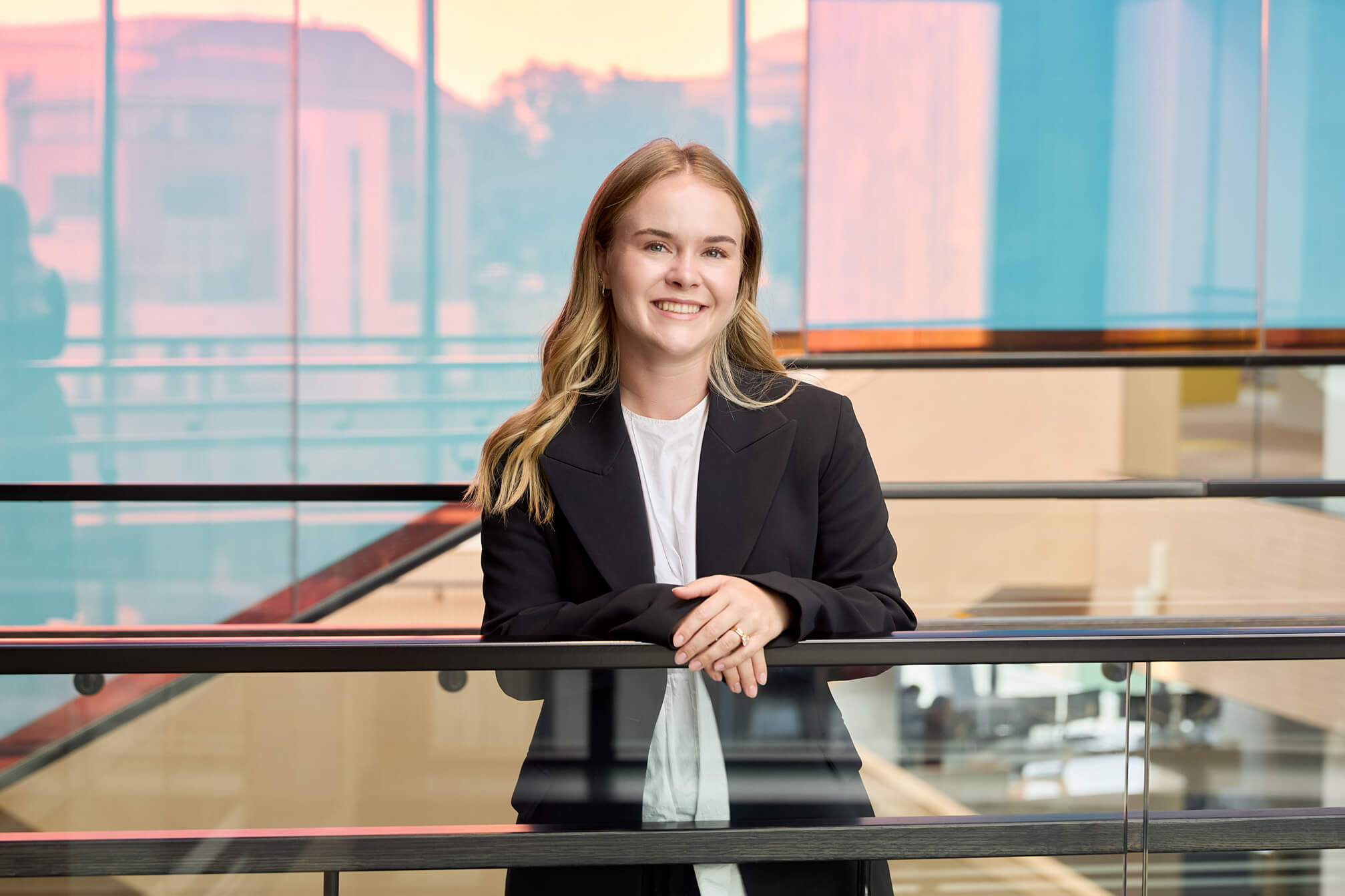
In 2050, how many of you will still be working? Because I will be.
You talk about sustainability and climate across a few different stages at once: Mercury, the YEPN, the World Energy Council – especially from the perspective of a young person. Does it ever feel tokenistic?
Yes, and I call it out. When I'm asked to speak at an event, I make sure I'm being invited because I'm genuinely valued, not because I'm a diversity tick-box.
And when the talking starts, I'm not afraid to share my perspective. At one of the first big conferences I spoke at, someone asked why there are no young people in the energy sector. I said, it's because you're not inviting them. Young people need to see their peers active in the industry if they are to relate to it. And then I said – in 2050, how many of you will still be working? Because I will be. That left a few people quite shocked. And then thoughtful.
I also helped establish a Rangatahi youth advisory panel at Mercury to bring young people together so their perspective can inform decisions and address challenges across the business. It was a good way to make sure young voices are heard, not as a tick-box, but genuinely challenging the 'groupthink' you get when a strategy team only talks to a strategy team.
Tell me about the World Energy Council. You were the only New Zealand delegate – how did that happen?
Yes, I'm a Global Future Energy Leader through the World Energy Council, which adds an international dimension – disclosures look different in every country. When I'm representing with that hat on, I need something I can really speak to, and for me that's climate disclosures and sustainability as a whole.
I joined because I knew New Zealand's energy sector deeply, but I also wanted to learn more and understand the global picture.
I remind New Zealanders all the time how small we are, and how successful we are relative to the rest of the world. When I'm speaking internationally, I talk about New Zealand's successes and say: if we can do this at the bottom of the South Pacific, you can do it. You've got more resources, more people, more money.
New Zealand's direct impact might be small, but our ability to influence is big. For example, I'm always pushing for more representation from Pacific island nations at conferences and congresses. Many of those countries don't have easy access to forums like the World Energy Council.
My husband's family is Fijian. I spend a lot of time in Fiji. I understand how climate change has a devastating impact on livelihoods. That gives me an even stronger reason to push, internally and externally.
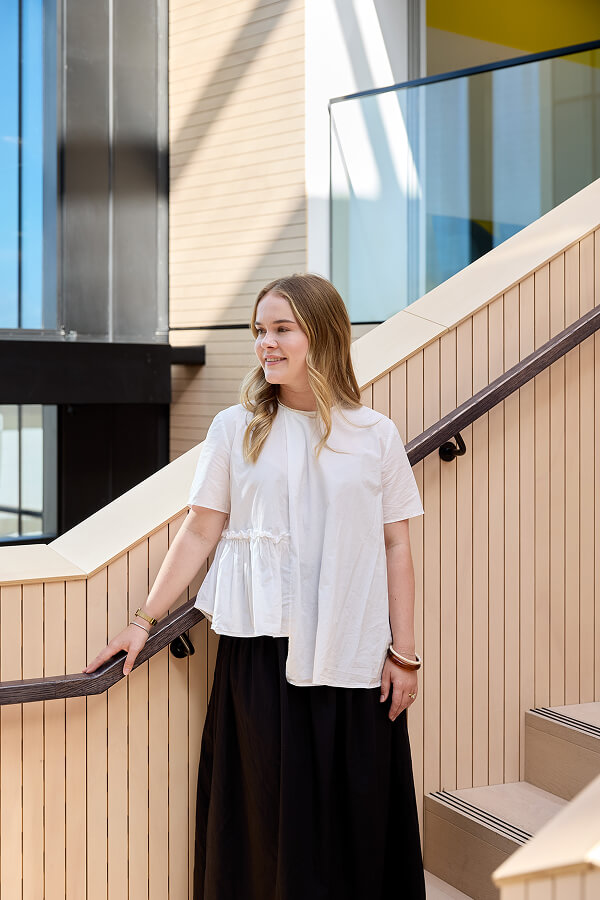

As someone in the global conversation, is it enough? The net zero goals, the 2050 targets?
Such a hard question. Some days yes, some days no. If you have too much ambition, it gets too hard, too scary, too unrelatable. Governments and industries withdraw from targets because there's no logical pathway to meet them. If you go in guns blazing, you create enemies. You need a happy medium – challenging but achievable. That's the only way you get buy-in from the people you need it from, whether that's government, industry, or your own executive team. I'd say overall, it's probably pitched at the right level to drive meaningful action without driving people away.
Something is always better than nothing. Do more good than bad. If it feels achievable to do a tiny bit more good, that's better than doing no good.
.avif)