It’s a calmer process. We’re not having to work till midnight every day, or on weekends. There’s none of that.
Sheree Johnstone
Company Secretariat



Drax uses Atticus to get confidence across its entire reporting suite, including its annual report, regulatory filings and external communications.
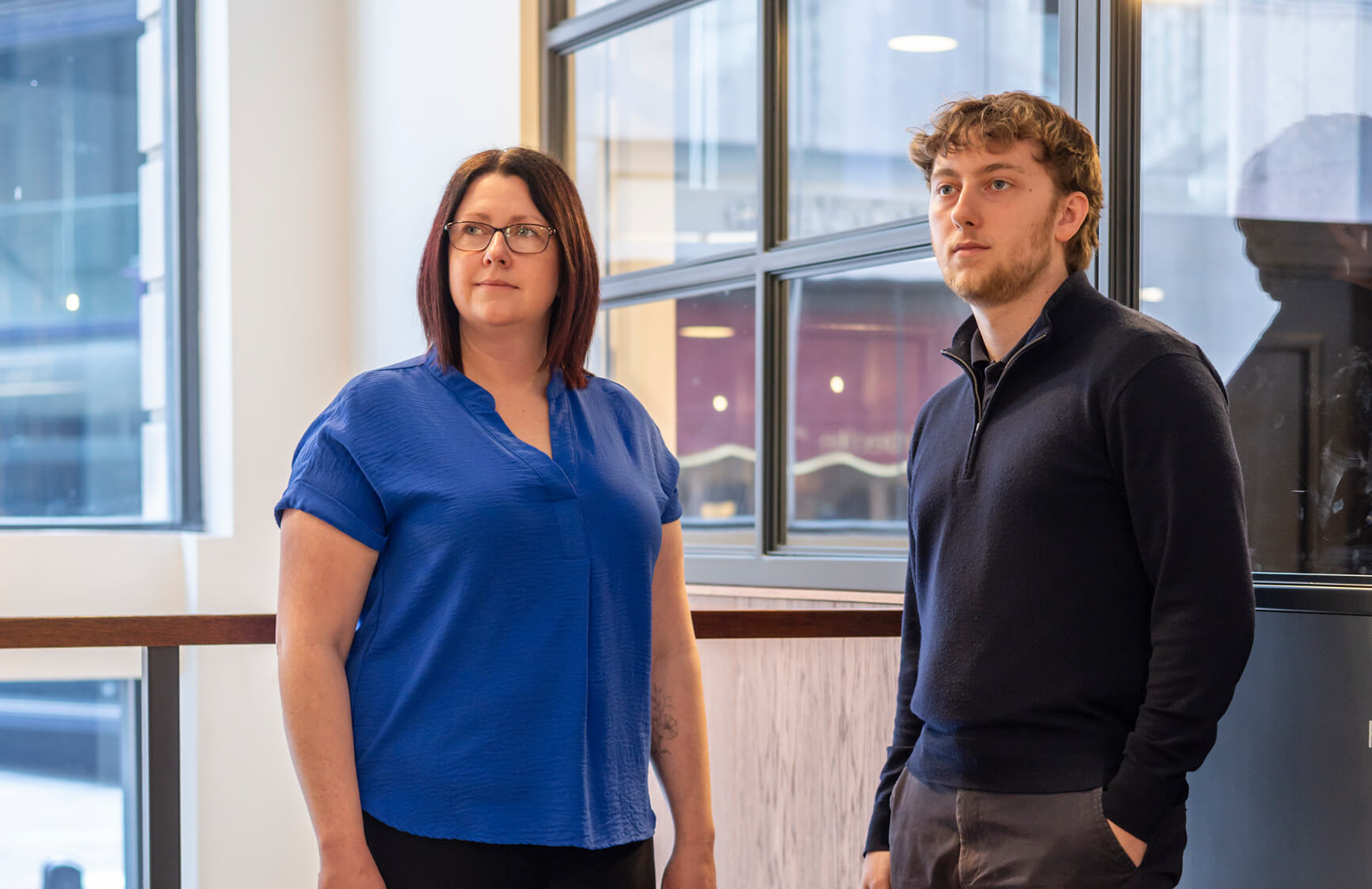
It’s a calmer process. We’re not having to work till midnight every day, or on weekends. There’s none of that.
Sheree Johnstone
Company Secretariat

As one of the UK’s largest energy companies, Drax operates in a space that draws a lot of public and regulatory scrutiny. All energy companies face close attention from regulators, investors, and environmental groups, and what they publish is held to a high standard. The consequences of publishing something inaccurate are significant, for the business and for the individuals involved.
“We need to make sure the statements that we are putting out as a business are true, accurate, and that we’ve got evidence to support them. If a director says something that's found not to be true, they can be liable,” says Assistant Company Secretary, Sheree Johnstone.
Sheree Johnstone works closely with Company Secretarial Assistant, Ben Miles, who manages the day-to-day verification process. Together they oversee the verification workflow.
The process starts with a draft, which is reviewed by each executive committee representative before being uploaded to Atticus.
Sheree tells us, “Once it’s been reviewed, we appreciate that there still might be some amendments, but it’s fairly stable – the content isn’t going to shift greatly.”
Now the verification work can begin. Each section is distributed across the relevant teams, typically four to six weeks before publication, once the heaviest editing is complete.
Once in Atticus, teams verify the sections they own. At this point there can be more than 500 material statements to verify.
When a new version is uploaded, prior verified annotations carry across and anything updated is flagged for re-verification. Auditors are also given access to the workspace at this stage.
Drax use Evidence Finder to scan all attached documents and surface the most relevant matches for each statement.
“You can click on an annotation, and Atticus automatically suggests the evidence from our supporting documents. So you can view it quite easily. You upload it once, and you can use it several times. You're not fishing around in a file trying to find a particular email or document.”
Drax rely on being able to bring new users into Atticus quickly and without much hand-holding.
Ben tells us, “For new people that we’re trying to encourage to do more verification, onboarding is nice and straightforward. Once they’ve used it a few times, it’s quite self-explanatory.”
Drax use the dashboard to monitor progress across the workspace and make sure nothing gets missed.
Ben monitors progress closely, telling us, “It’s good to monitor how much progress is being made and make sure everything is on track. Has everything got a document attached to it? Is everything ticked off? Has it been done by the right person?”
What started with the annual report has grown into something wider. Atticus is now used across treasury, cyber security, sustainability, external affairs, and investor relations – each team running their own verification independently, on their own documents, throughout the year.
Part of what’s made that possible is accountability. Because Atticus shows who has verified each statement and who the subject matter expert is, people tend to take it seriously – the board can see exactly who has verified what.
Sheree explains, “We’ve moved away from CoSec being in charge of verification. Teams that have drafted a certain section of the annual report are responsible for it. They verify and satisfy themselves that it is accurate. The board are given access to view certain workspaces, and they can come in and see which subject matter expert signed it off. It gives the board confidence that they can put their name to it and stand behind the disclosures, knowing that a proper process has been followed.”