
At a glance
- The last-minute scramble is the most common frustration
- Unclear ownership means statements go unchecked
- Manual processes create errors and incomplete audit trails
- Poor records leave you exposed if something is ever questioned
- A well structured and detailed audit trail is what makes it defensible
The challenge of reporting
We spend a lot of time with teams at listed companies around reporting season. Across every conversation, the same frustrations come up again and again – often starting with the stress of working in spreadsheets or email, but almost always finishing with the fear of the hidden error.
When used as the backbone of a verification process, spreadsheets and email are not only frustrating, they create a number of issues downstream, particularly where they create blind spots.
An incorrect number or a rounding error can easily slip through when you don’t have a system for catching them. The result is a feeling of uncertainty in the moment before release – the sense that something might be wrong somewhere, and that it poses a material risk.
Here are the three biggest frustrations we hear every reporting season, starting with the one every team mentions first.
Frustration 1: The last-minute scramble
The most common frustration teams describe is a frantic push to finish verification in the final days before publication. It isn't caused by any one person or delay. It's caused by treating verification as an event that can only start once the entire document is final.
Teams often tell us that starting early is not possible, because it means verifying content that might still change, and needing to re-verify it once it does.
Financial numbers in particular aren't locked until the audit is signed off, sometimes days before publication. And a CEO or board can request substantial changes after the document is otherwise considered done.
For the people running the process, it's not only the most stressful period in the reporting calendar, it also leaves a feeling that an error could be sitting somewhere in the document.
"Once it’s out, there’s always that period where you don’t want to answer your phone."
How Atticus helps
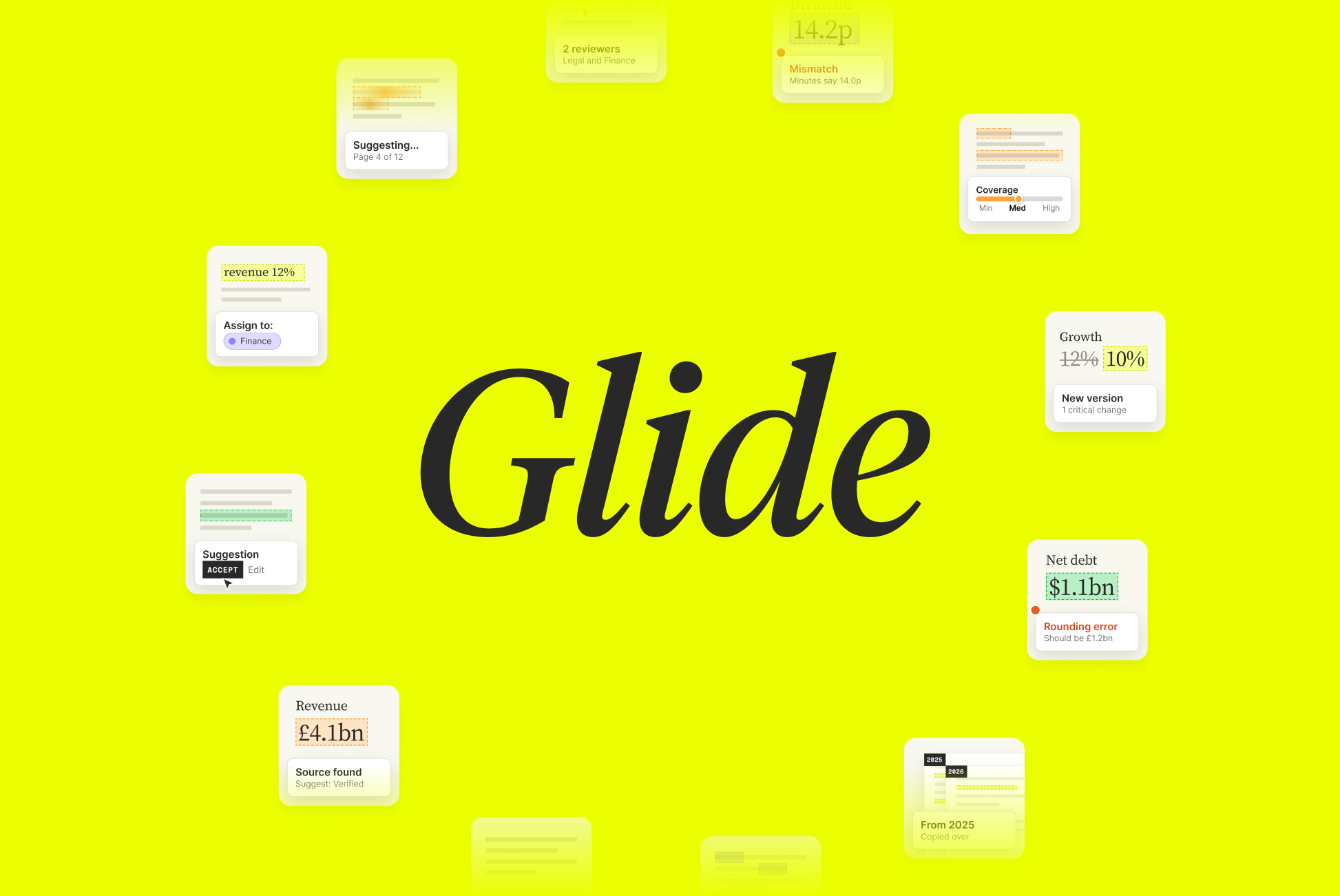
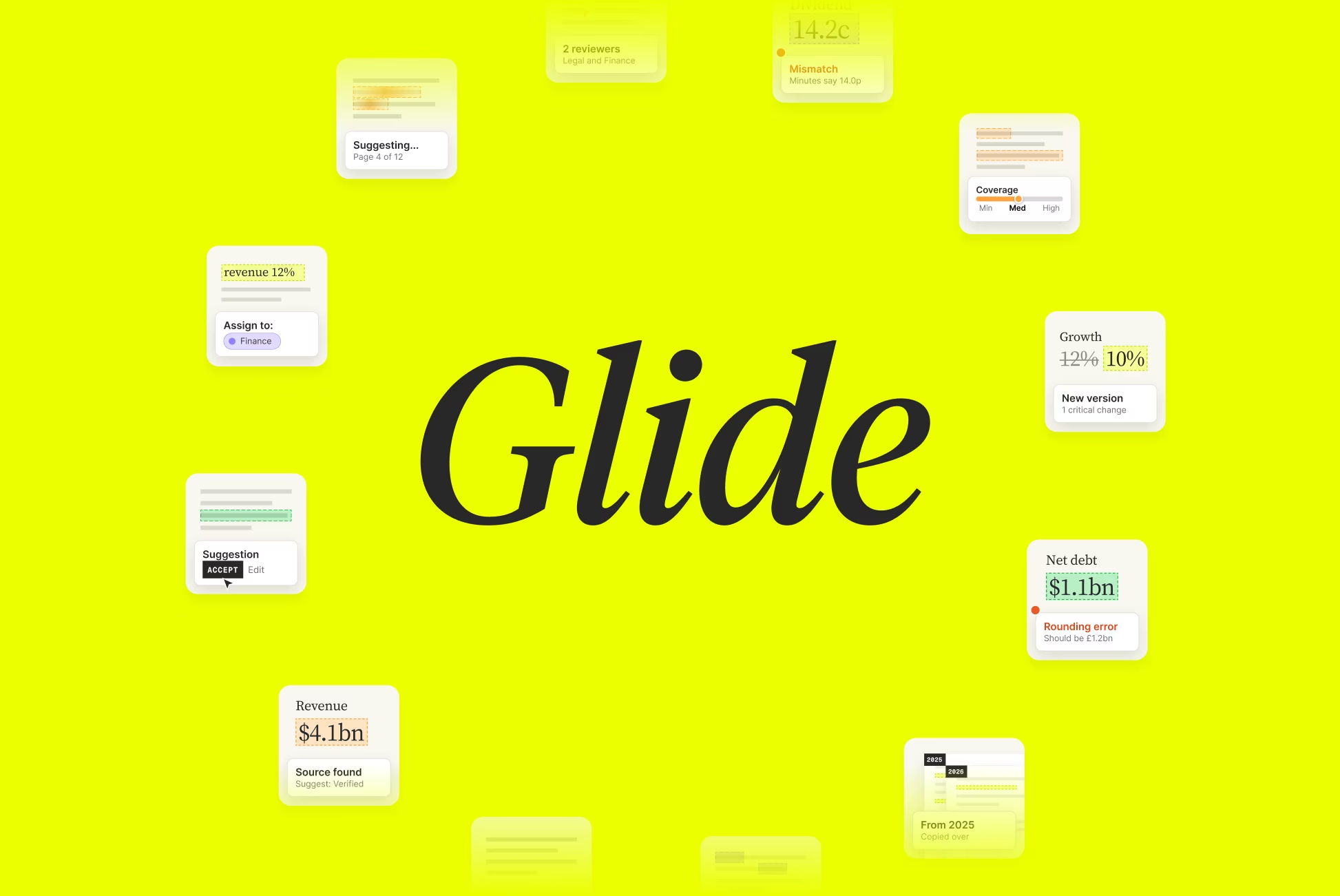
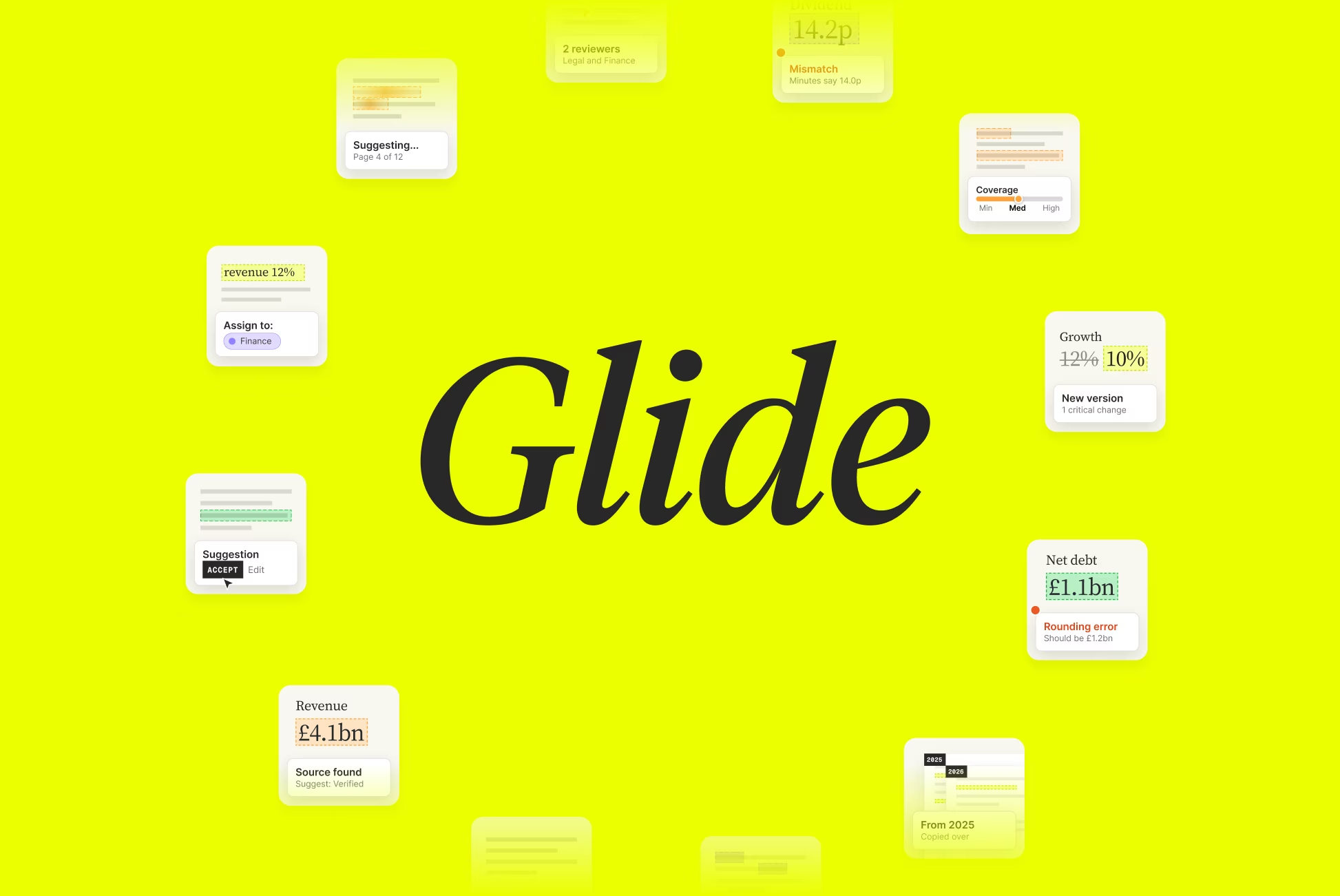
Version Control: Manage changes across versions
Version Control lets teams start verifying once a draft is stable (for the people we speak to, this generally starts around 80% complete) rather than waiting for the final version.
How it works:
- Flags exactly what's changed between versions
- Makes outstanding work easy to spot
- Carries evidence over automatically when unchanged
- Used for both primary documents and supporting evidence
Frustration 2: Coordinating verification across many people
The greater the number of people involved in a verification, the more complex it becomes. With 10, 20, 40, or more people across multiple departments, each responsible for verifying different statements, the process becomes heavily manual. And when it isn't clear who owns a given statement, it's likely to reach the end of the process with nobody having actually verified its accuracy.
When ownership is unclear, the person running the process has to step in themselves, or chase every sign-off around the organisation by hand. Email makes this slower still. An ineffective process leads to a real weakness in the integrity of the final document.
"Sometimes a statement just bounces around. Nobody feels they’re the right person to verify it, and it ends up going out anyway."
How Atticus helps
Accountability: Give every statement an owner
Atticus makes sure every statement has an owner, and gives that owner a simple way to verify it.
Visibility: A live view across the whole workspace
Admins get a real-time view of exactly how progress is tracking without having to chase updates manually.
Centralisation: A single source of truth for every stakeholder
A single, centralised platform, helps teams work on verification simultaneously, and makes coordinating large teams easier.
How it works:
- Assignees get an automatic email invite
- Dashboard shows outstanding work at a glance
- Workspace admins can follow up in one click
- Multiple sign-off levels for larger teams
- Nothing slips through without an owner
Frustration 3: The uncertainty that lingers after a manual process
There are still many listed companies running verification through spreadsheets, Word documents, and email. Teams tell us the risk isn't just a stray error slipping through, it’s not being able to demonstrate a clear and defensible audit trail if anyone ever asks.
A specific claim can be hard to reconstruct after the fact – after a staff change, during a regulatory query, or once an error has surfaced. The trail of who checked what depends on emails that are easy to lose and hard to search.
A manual process is slow, hides errors that carry risk, and most importantly, makes it difficult to produce an audit trail. If your team doesn't catch it, someone else will, and they may not be as forgiving.
"When someone asks how a claim was verified, it usually means trawling through emails from people who've left."
How Atticus helps
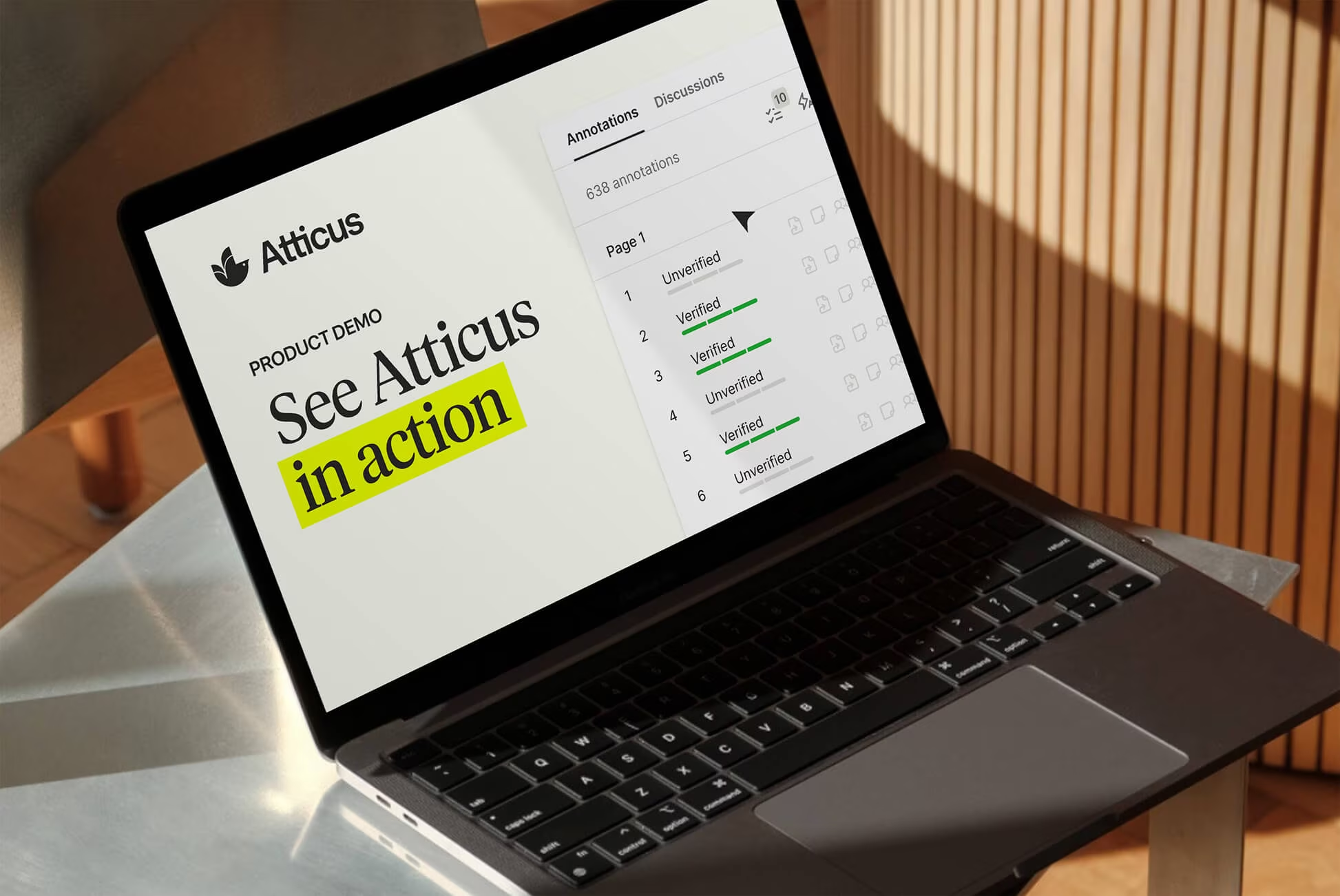
Audit Trail: Build a record as you go
Atticus builds an audit trail automatically as progress happens.
How it works:
- Statements assigned to an individual or team
- Claims linked directly to supporting evidence
- Every verification is timestamped
- Exports as one complete record
What it takes to disclose with confidence
The last-minute scramble, the gaps in ownership, the poor record-keeping – all three come from the same place: a verification process still built on spreadsheets and email.
The organisations that come out of reporting season with confidence are the ones who can prove, for every statement, what was checked, by whom, and against what. And the only way to do this well is with a structured and consistent internal process that helps you check every detail, without missing anything that might surface after the fact.